
MAIKA Origin Story (P1): Why We Built a Machine to Save Our Sanity

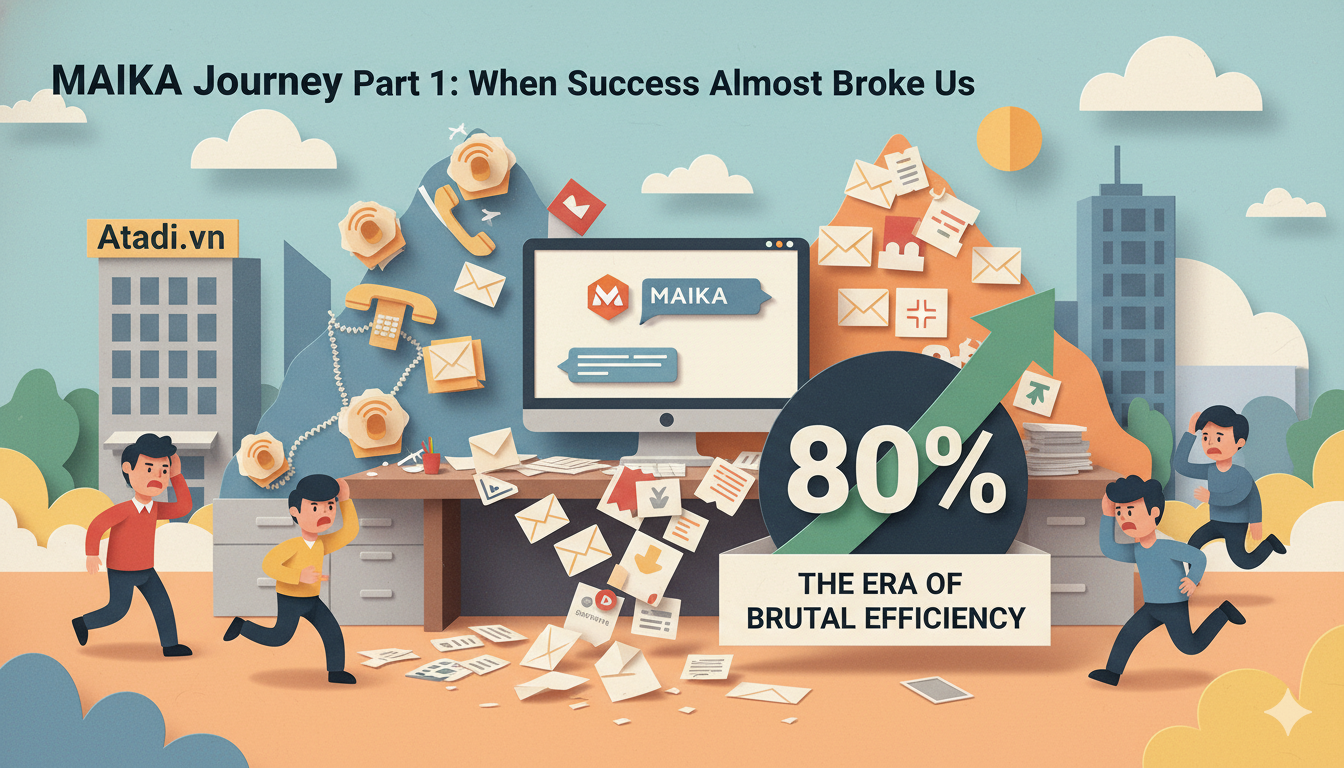
Date: Late 2015
Phase: The Era of Brutal Efficiency
Mission: Survive the "Manual Grind"
If you run a small business, you know the feeling.
It’s 10:00 PM. The office is empty, the lights are off, but the glow of your laptop screen is still illuminating your tired face. You aren't brainstorming a revolutionary strategy. You aren't designing a new product. You are replying to the same customer question you have answered 400 times this week.
This was our reality in 2015.
Before MAIKA was born, we were in the trenches with Atadi.vn, our Online Travel Agency. We had what every business wants: explosive growth. But we quickly learned that growth has a dark side. Our inbox was a war zone. Our phones were ringing off the hook. We were drowning in volume.
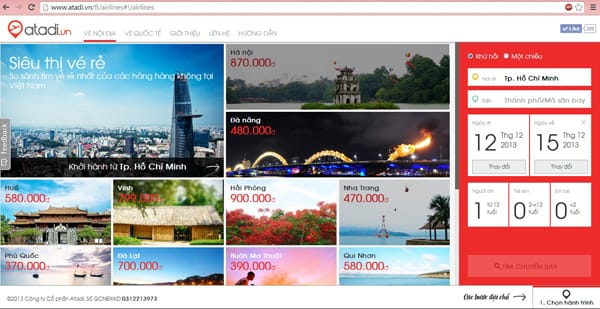
We faced a brutal choice: burn out our team, hire more staff than we could afford, or find a third way.
The Birth of the "Iron Logic" (Phase 0)
We chose the third way. We decided to build a digital co-pilot.
Now, we have to be honest with you, the technology in 2015 wasn't the smooth, poetic AI you see today. It was stiff. It was mechanical. It didn't know how to tell a joke or show empathy.
But it was efficient.
We developed a "Layered Defense" philosophy that still powers the logic engine of MAIKA today. We stopped trying to treat every customer chat as a unique conversation and started treating it like a hospital triage:
- Layer 0 (The Greeter): Instantly categorize the customer. Are they here to buy? Or are they here to complain?
- Layer 1 (The Nurse): Handle the basics. 80% of our customers just wanted to know ticket prices or baggage rules. We built the bot to handle these rigid tasks instantly, without bothering a human.
- Layer 2 (The Doctor): If, and only if, the problem was complex, the bot would step aside and let a human expert take over.
The Result: 80% Silence
The effect was immediate. It was like the noise in the room suddenly stopped.
Our simple, logic-based chatbot reduced our human workload by 80%. It didn't replace our people; it liberated them. Instead of acting like robots answering FAQs, our staff could finally focus on complex problems and real customer care.
But something was missing.
While our efficiency was at an all-time high, our "warmth" was at an all-time low. The bot was a machine, cold, direct, and unfeeling. It solved the ticket, but it didn't win the heart.
We realized that "efficiency" was only half the battle. If we wanted to truly empower businesses, we needed to teach this cold machine how to feel.
Next up in Part 2: The 5-year struggle to cross the "Uncanny Valley" and find the soul of the machine.