
AI's Energy Thirst: The Unseen Cost of Innovation

The Hidden Energy Footprint of Our AI Obsession
We’re living in an era defined by rapid technological advancement, particularly in the field of Artificial Intelligence. Headlines tout AI’s potential to revolutionize healthcare, solve climate change, and unlock unprecedented productivity. Yet, beneath the surface of this exciting AI revolution lies a less glamorous, but critically important, issue: its immense and growing energy demand. The very tools we’re using to build a smarter future are, in many cases, being powered by the energy sources of the past, raising significant questions about sustainability and community impact.
The Surprising Alliance: AI and Fracking
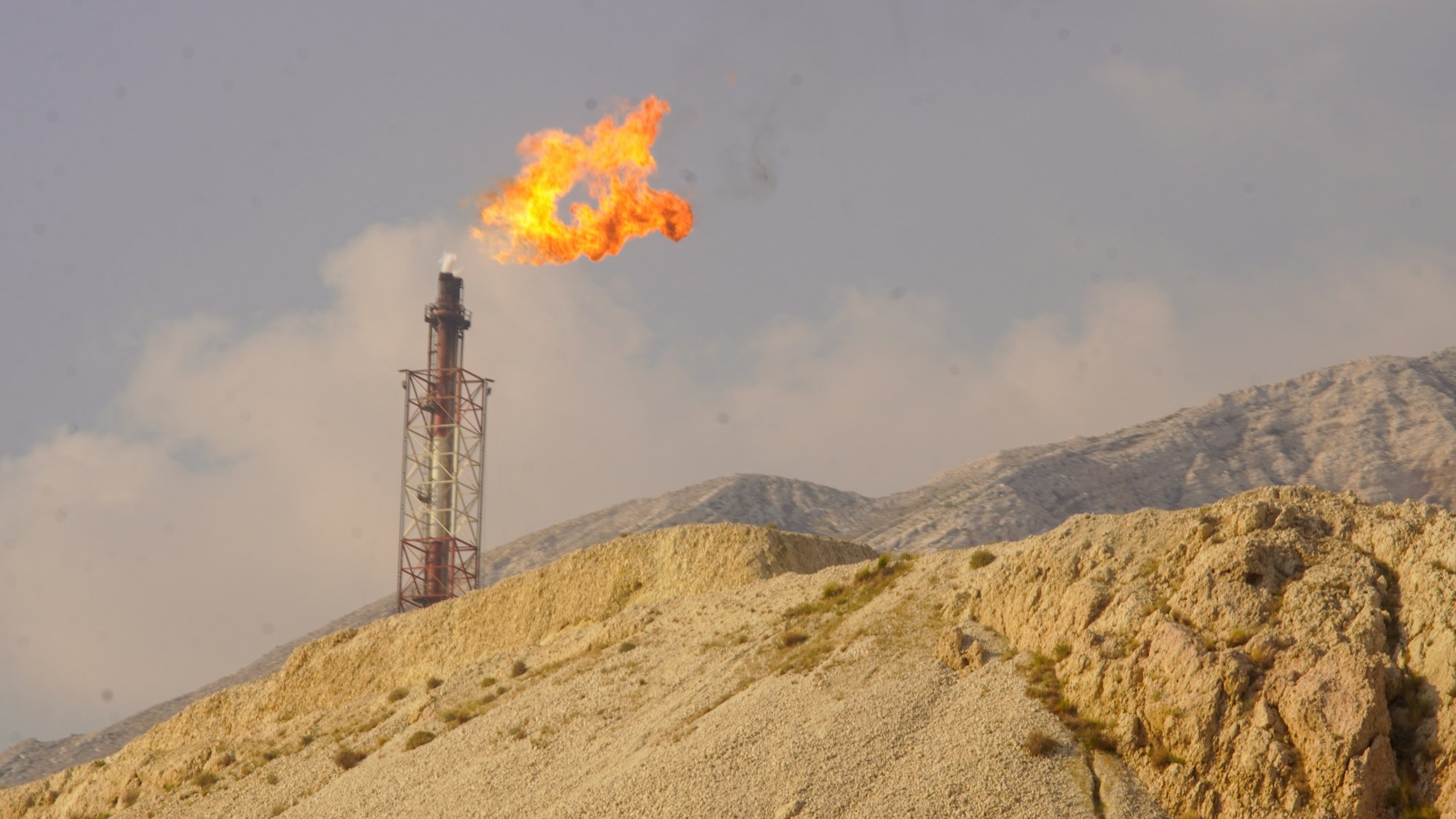
It’s a narrative twist that few anticipated: the burgeoning AI industry is inadvertently giving the controversial practice of fracking a significant second act. For years, hydraulic fracturing has been a lightning rod for criticism, with environmental advocates pointing to concerns over poisoned water tables, man-made earthquakes, and the continued reliance on fossil fuels. Now, AI companies are increasingly establishing massive data centers in close proximity to major natural gas production sites, often opting to generate their own power by tapping directly into these fossil fuel reserves. This trend, while overshadowed by more prominent AI discussions, has the potential to profoundly reshape the communities that host these facilities and introduces a complex set of ethical and environmental dilemmas.
West Texas: The New Energy Frontier?
A prime example of this trend is unfolding in West Texas. The startup Poolside is constructing an enormous data center complex, spanning over 500 acres – a footprint two-thirds the size of New York’s Central Park. This facility, codenamed Horizon, is designed to produce a staggering two gigawatts of computing power. To put that into perspective, it’s equivalent to the entire electric capacity of the Hoover Dam. However, instead of harnessing the power of the Colorado River, Horizon will burn natural gas extracted from the Permian Basin, the nation’s most productive oil and gas field, where fracking is the dominant extraction method.
Poolside is partnering with CoreWeave, a cloud computing company that rents out access to Nvidia’s AI chips. Together, they are deploying over 40,000 Nvidia chips. The Wall Street Journal has aptly described this burgeoning landscape as an “energy Wild West,” a sentiment that resonates as AI companies rapidly expand their infrastructure.
Beyond Poolside: A Widespread Strategy
Poolside is far from an outlier. Indeed, nearly all major AI players are exploring similar energy strategies. OpenAI’s CEO, Sam Altman, has openly acknowledged this reality, stating during a tour of his company’s Stargate data center in Abilene, Texas (approximately 200 miles from the Permian Basin), “We’re burning gas to run this data center.” The Stargate facility alone requires about 900 megawatts of electricity across eight buildings and includes a gas-fired power plant. While the companies assert that this plant primarily serves as backup power, with most electricity drawn from the local grid (a mix of natural gas, wind, and solar), the direct reliance on fossil fuels for such a crucial AI hub is undeniable.
Community Concerns: Peace, Quiet, and Bright Lights
For residents living near these massive developments, the arrival of AI infrastructure brings significant disruption. Arlene Mendler, who lives across the street from the Stargate facility, shared her dismay with the Associated Press. After 33 years of seeking “peace, quiet, tranquility” in the area, she now faces constant construction noise and bright lights that have altered her nighttime views. The bulldozing of natural landscapes to make way for these energy-hungry facilities has fundamentally changed the character of her community.
The Water Conundrum in Drought-Prone Regions
In drought-stricken areas like West Texas, the impact on water resources is a particularly pressing concern. Local reservoirs are often at critically low levels, leading to strict outdoor watering schedules for residents. While companies like Oracle claim their closed-loop cooling systems require minimal water (around 12,000 gallons per year per building after an initial fill), researchers like Shaolei Ren from the University of California, Riverside, caution that this figure can be misleading. These systems often demand more electricity, which translates to indirect water consumption at the power plants generating that electricity.
Meta’s Ambitious Plans and Community Pushback
Meta is also pursuing a similar large-scale energy strategy. In Richland Parish, Louisiana, the company plans to build a colossal data center, roughly the size of 1,700 football fields, requiring two gigawatts of power. To meet this demand, the utility company Entergy is investing $3.2 billion in three new natural-gas power plants. This project has drawn significant criticism from Louisiana residents, who are concerned about the environmental impact and the constant construction activity.
It’s worth noting that Meta is also investing in cleaner energy for its Texas operations. The company recently announced a $1.5 billion data center in El Paso, near the New Mexico border, which is expected to be powered by 100% clean and renewable energy. This stands in contrast to their Louisiana project and highlights a more nuanced approach within the company.
Elon Musk’s xAI and the Natural Gas Pipeline
Even Elon Musk’s xAI is connected to the natural gas infrastructure. While its Memphis facility has generated controversy, the natural gas powering it is supplied via pipelines that carry fuel from hydraulically fractured shale formations. This further underscores the widespread reliance on fracked gas across the AI sector.
Geopolitics and the Race Against China
Why are AI companies so keen on this path? A prominent argument, often cited by industry leaders, centers on geopolitical competition, particularly with China. Chris Lehane, VP of Global Affairs at OpenAI, articulated this viewpoint, stating that the U.S. will need to generate approximately a gigawatt of energy *per week* in the near future. He pointed to China’s massive energy buildout, including 450 gigawatts and 33 nuclear facilities constructed in the last year alone, as a benchmark the U.S. must meet.
Lehane also connected the placement of these data centers in economically challenged areas with the goal of “re-industrializing countries” and bringing manufacturing back. This perspective suggests that AI infrastructure development is seen as a strategic imperative for national economic and technological dominance.
Government Support: Accelerating Fossil Fuel Infrastructure
The U.S. government, through executive orders like the one signed in July 2025, is actively facilitating the expansion of gas-powered AI data centers. This order streamlines environmental permits, offers financial incentives, and opens federal lands for projects utilizing natural gas, coal, or nuclear power, while explicitly excluding renewables from support. This policy direction further entrenches the reliance on fossil fuels for AI development.
The Unseen Consumer and the Bubble Risk
For the average user, the environmental cost of their AI tools remains largely invisible. The focus is often on the remarkable capabilities of new products, like OpenAI’s Sora 2, rather than the energy-intensive processes behind them. Companies are banking on this lack of awareness, positioning natural gas as the pragmatic, albeit controversial, solution to AI’s insatiable power demands.
This interconnected web of AI companies—OpenAI, Microsoft, Nvidia, Broadcom, Oracle, and data center operators—creates a self-reinforcing loop. As the Financial Times has noted, the entire AI sector’s stability is increasingly linked to the success and capacity of companies like OpenAI. If this foundation cracks, it could leave behind significant digital and fossil-fuel-burning infrastructure, with uncertain economic consequences.
Is All This New Capacity Necessary?
A critical question often absent from the discourse is whether the massive buildout of new power capacity is truly necessary. A Duke University study suggests that utilities typically operate at only 53% of their available capacity annually. This indicates substantial room to accommodate new demand without constructing new power plants. Researchers estimate that if data centers could reduce their electricity consumption by half for just a few hours during peak demand periods, utilities could absorb an additional 76 gigawatts of new load – effectively meeting the projected demand for data centers by 2029.
Such flexibility could allow for faster AI data center deployment and, more importantly, provide a crucial window for developing cleaner energy alternatives, rather than rushing to build more natural gas infrastructure. However, the prevailing narrative, driven by the perceived race against geopolitical rivals, suggests that the rapid expansion of fossil fuel plants is likely to continue. This could saddle regions with long-term environmental burdens and lead to escalating electricity costs for residents to finance today’s investments, long after the tech companies’ energy contracts expire.
The Future of AI Energy: Hope on the Horizon?
Despite the current reliance on fossil fuels, there is a growing investment in cleaner energy alternatives. Significant private funding is being directed towards small modular reactors and solar installations, with the expectation that these will become primary energy sources for data centers. Fusion startups are also attracting substantial investment from key players in the AI industry, including Nvidia and Sam Altman. This optimism extends to public markets, where some energy companies are seeing significant valuations based on the anticipated future demand from AI data centers.
While these cleaner energy solutions may still be decades away from widespread implementation, the immediate concern remains: the communities bearing the financial and environmental brunt of this AI energy expansion were not the ones who initiated this demand. As we continue to push the boundaries of AI, it’s imperative that we also address its foundational energy needs with a more sustainable and community-conscious approach.
Empowering Your Business with Sustainable AI Solutions
The rapid evolution of AI presents both incredible opportunities and significant challenges for businesses. At MAIKA, we understand the complexities involved in leveraging AI, especially for Small and Medium-sized Enterprises (SMEs). We believe that AI should be accessible, manageable, and most importantly, sustainable.
Are you concerned about the environmental impact of rapidly growing AI infrastructure, or the high costs associated with implementing cutting-edge AI solutions? Do you find yourself lost in the sheer volume of data, struggling to extract actionable insights?
MAIKA offers an intuitive, all-in-one AI platform designed to empower your business without the hefty price tag or the technical overwhelm. We provide:
- AI-Powered Content & Website Enhancement: Attract more customers with optimized website content that ranks higher in search results, driving organic traffic and engagement.
- Actionable Business Insights: Make smarter, data-driven decisions with AI-generated suggestions tailored precisely to your business needs.
- Business Process Automation: Streamline your workflows and boost productivity by automating repetitive tasks with our intelligent AI tools.
- Custom AI Chatbot: Engage your customers 24/7 with a personalized chatbot that understands your business, answers queries instantly, and enhances customer satisfaction.
Whether you run an e-commerce store needing to optimize product descriptions and customer service, a hotel looking to implement dynamic pricing, manage a rental property portfolio, operate a beauty salon, or lead a non-profit organization, MAIKA has a tailored solution to help you thrive. We focus on making AI knowledge accessible and actionable, ensuring your business can benefit from the AI revolution responsibly and efficiently.
Ready to harness the power of AI without the environmental guilt or the complexity?